Hassle-Free Returns

Ready To Hang

Protected & Secure Packaging

chevron_left chevron_right

Blogs

View

The Canvas Speaks: Decoding the Best Abstract Paintings Before You Buy Artwork

by Dewebwiz contentwriting

The Canvas Speaks: Decoding the Best Abstract Paintings Before You Buy Artwork

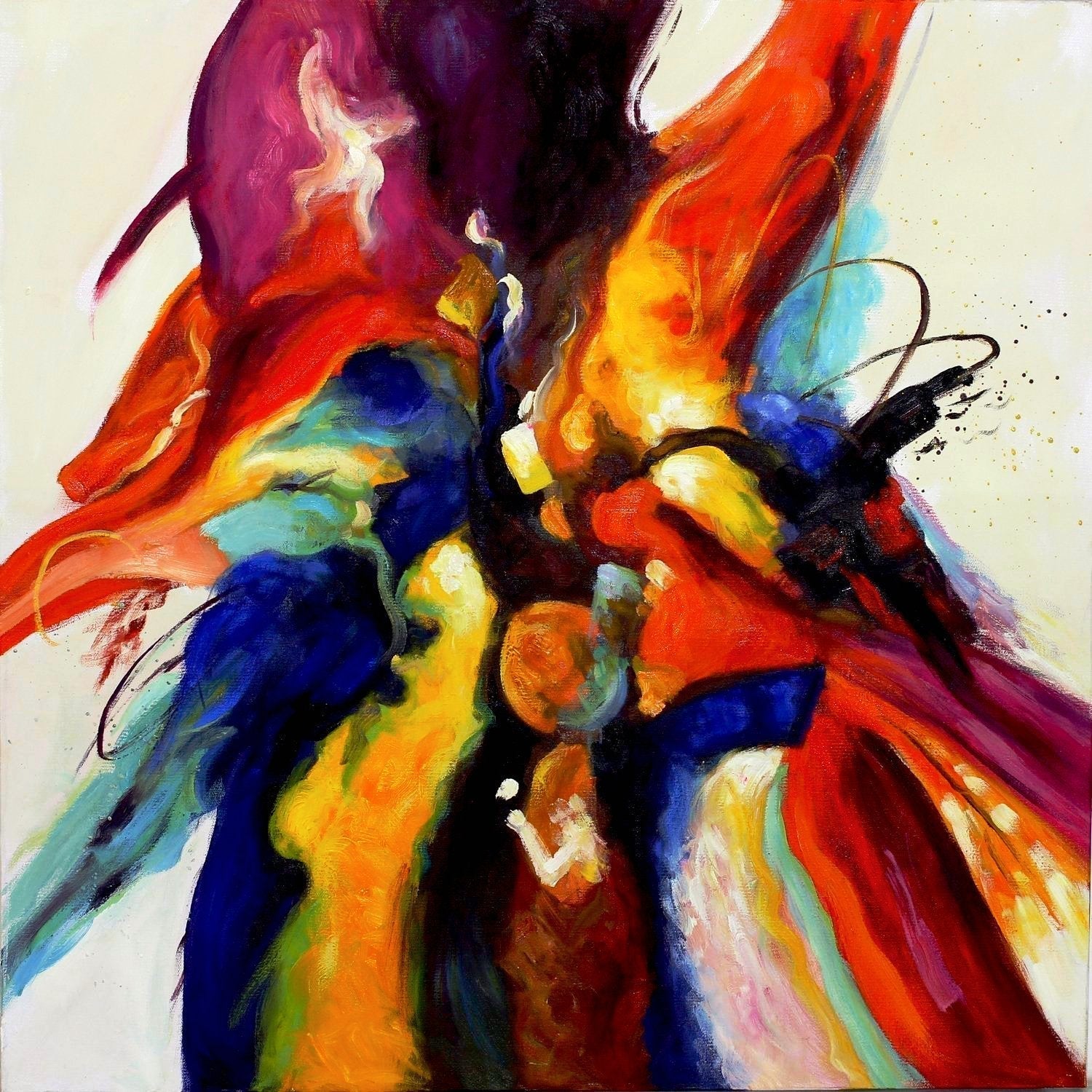
Welcome to Paintings Online. You are standing at the threshold of a significant decision that is choosing a piece of artwork that will define your space and reflect your individual aesthetic. Unlike selecting a sofa or a lamp, the process of choosing abstract paintings should be deeply personal and informed. The canvas, in its silence, speaks volumes. It conveys emotion, energy, and a dialogue between the artist and the viewer. Before you buy artwork, especially in the vibrant and expansive space of modern wall art, you must understand the language of abstraction and what separates a truly compelling piece from a mere decoration. This exploration will guide you through decoding the signals a handmade painting sends, ensuring your final selection is one of quality, depth, and lasting resonance. The desire for a powerful visual focal point often leads collectors and decorators to the category of wall paintings. Traditional representational art tells a story we can easily follow, depicting landscapes, portraits, or still life subjects. Abstract art, however, requires a different kind of engagement. It bypasses literal narrative in favor of pure form, color, and texture. This shift is precisely what makes it ideal for modern wall art it offers a sophisticated visual rhythm without dictating a scene. When reviewing a potential piece, begin by assessing the composition. Does the arrangement of shapes and lines create tension or balance? Is there a central axis of focus, or does the eye move freely across the surface?just like Glints Of Sanity carry all the potential.  A well-composed abstract piece manages to feel complete, even when dealing with seemingly random elements. It’s an internal logic that the artist has imposed, and recognizing this structure is the first step in decoding its quality. Focusing specifically on handmade paintings introduces another crucial layer of evaluation, the evidence of the artist’s hand. This is where the medium comes into play, particularly handmade oil paintings. Oil paint, by its very nature, offers a richness and dimensionality that other mediums often struggle to achieve. Look closely at the surface of the canvas. Can you see the varying thickness of the paint, known as impasto? Are there brushstrokes that show the direction and speed of the artist's movement? These textural details are not flaws; they are the literal fingerprint of the creation process, lending a depth and physicality that mass-produced prints simply cannot replicate. When you buy artwork that is handmade, you are buying a unique artifact, and the texture of the oil paint is proof of its originality. A compelling abstract piece will use texture as a compositional tool, sometimes rough and agitated, sometimes smooth and subtle, adding a tactile element to the visual experience. The most potent element in any abstract work is, arguably, color. Color in abstraction is liberated from its descriptive role it does not necessarily represent the sky or grass. Instead, it functions as pure feeling and energy. Before you commit to buy artwork, consider the color palette in isolation. Are the colors harmonious, or do they intentionally clash? Does the artist use a limited, restrained palette, or a riot of vibrant hues? The chromatic choices of the artist directly influence the mood the painting sets. A composition dominated by muted grays, blacks, and whites might evoke contemplation and structure, fitting seamlessly into a minimalist environment. Conversely, a canvas bursting with reds, blues, and yellows will inject vitality and drama into a room. When selecting wall paintings for your home, you must not only like the colors but also understand the emotional current they carry and how they interact with the existing light and colors of your space. Many people hesitate to buy artwork that is abstract because they feel they "don't understand it." The key to appreciating abstract paintings is to abandon the need to identify objects and instead focus on the emotional response the piece evokes. Does the painting make you feel expansive or contained? Does the movement suggested by the lines feel chaotic or rhythmic? The best modern wall art uses non-objective form to communicate universal experiences that words often fail to capture. Consider this: the artist has distilled a complex idea or emotion down to its most basic visual components. Your task as the decoder is not to figure out "what it is," but to register "how it feels." This shift in perspective transforms the viewing experience from a puzzle into a direct, unfiltered connection with the art. When evaluating an investment in handmade paintings, especially those created in oil, scale and presentation are paramount. The size of the wall paintings relative to the wall space it occupies drastically alters its impact. A small, densely textured abstract piece hung on a vast wall can feel intimate and draw the viewer in close for examination. A monumental canvas, however, takes over the space, creating an immersive field of color and texture that influences the entire room’s atmosphere. Think about the intended viewing distance. Larger abstract paintings are often best viewed from a distance, allowing the full composition to coalesce, whereas smaller works encourage close-up inspection of the detail and brushwork inherent in handmade oil paintings. Always visualize the artwork in your actual space to gauge this relationship correctly. PaintingsOnline.com.au emphasizes the importance of accurate dimensions so you can make this crucial judgment before you buy artwork. The provenance and quality of the materials should also factor into your decision to buy artwork for your walls. A professional handmade painting will be executed on archival-quality canvas or linen, stretched properly, and finished with varnish to protect the surface and enrich the colors. If you are investing in handmade oil paintings, verify that the artist uses high-grade pigments, which retain their color intensity and resist fading over generations. While it is impossible to guarantee that any piece of abstract paintings will appreciate financially, investing in pieces made with superior materials by an established or emerging artist demonstrates respect for the craft and secures a piece that maintains its visual integrity. This attention to material quality is a subtle, yet powerful, indication that the artist intends their modern wall art to endure. Finally, the decision to buy artwork comes down to connection. An outstanding piece of abstract paintings should feel necessary for your space. It should be the piece you keep coming back to, the one that continues to reveal new facets and details the longer you live with it. Unlike furniture, which serves a functional purpose, the wall paintings you choose serve your emotional and intellectual life. Handmade paintings, especially unique handmade oil paintings, bring a warmth and character to a home that no mass-produced item can match. Take your time, study the composition, feel the color, appreciate the texture, and listen closely to what the canvas is saying. Your intuition, guided by these principles of quality and form, will lead you to the abstract artwork that is meant for you. Visit PaintingsOnline.com.au to explore our handpicked collection and begin your journey into the language of the abstract canvas.

Read more

Color Theory and Compositional Balance in Modern Abstract Art Paintings

by Dewebwiz contentwriting

Color Theory and Compositional Balance in Modern Abstract Art Paintings

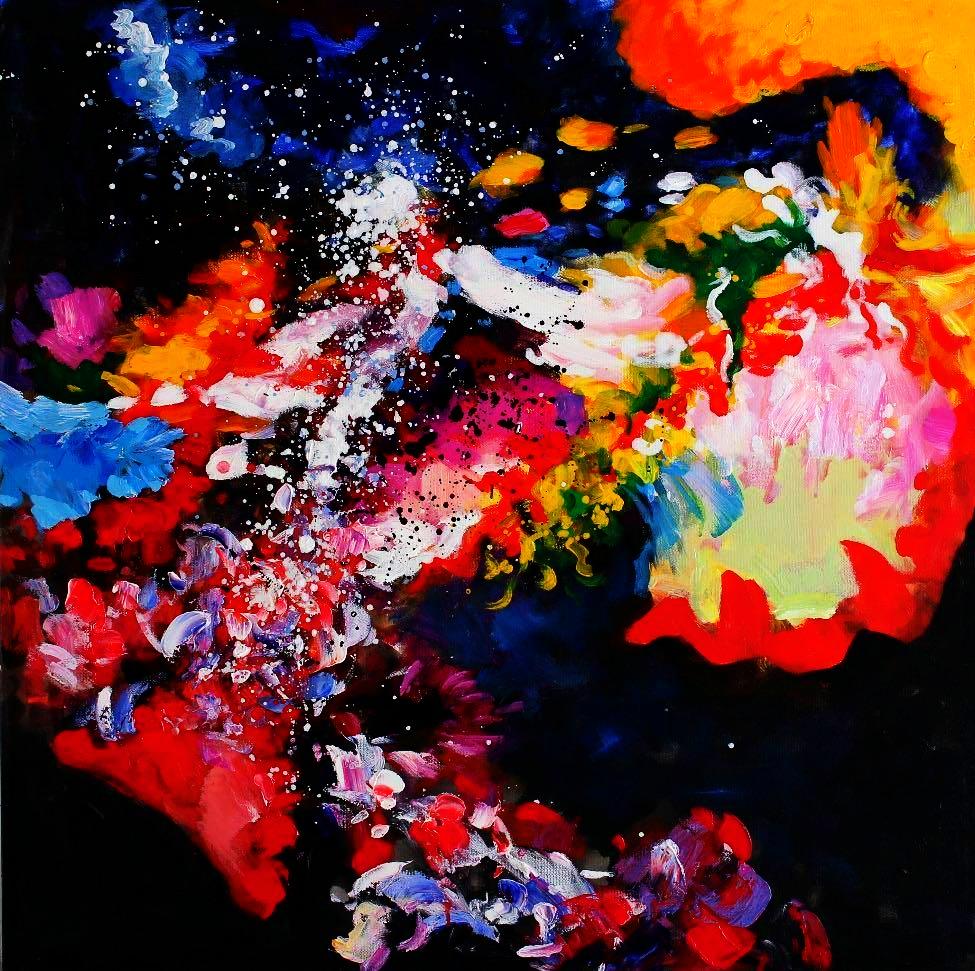
Choosing the right piece of modern abstract art for your home is more than just selecting colours that match your sofa; it is an act of curation, a decision that injects energy and personality into your living space. For enthusiasts and collectors in Australia, the journey of finding truly compelling paintings those rare canvas paintings for sale that resonate deeply often begins art online. However, the sheer volume of wall art Australia offers can be overwhelming, making it difficult to discern quality and meaning from mere decoration. When you are looking to purchase art online, especially a work that draws inspiration from the natural world, such as compelling nature art, you need a framework for evaluation. The best abstract works speak to the viewer not through recognizable subjects, but through the sophisticated use of colour, texture, and composition, forming an immediate and lasting connection that goes far beyond fleeting trends. Let's expand on two of the most critical elements for decoding abstract paintings: the deliberate use of color and the mastery of compositional balance. These are the tools an artist uses to make the canvas truly speak, moving the artwork beyond simple color application into a sophisticated visual statement. Master these principles to enhance your ability to choose stunning modern abstract wall art when browsing art online at PaintingsOnline.com.au. The Emotional Calculus of Color in Abstract Paintings In abstract paintings, color is not incidental; it is the primary emotional medium. When you examine a canvas painting for sale, look beyond the individual hues and consider the relationships between the colors. This is where basic color theory applies, but with an abstract twist. An artist working in canvas paintings might employ analogous colors (colors adjacent on the color wheel, like blue, blue-green, and green). This creates a sense of harmony, calm, and visual flow. The resulting wall paintings often feel integrated and soothing, perfect for a space intended for relaxation. Conversely, the artist might choose to use complementary colors (colors directly opposite each other, like red and green, or blue and orange). These combinations create maximum contrast and visual vibration. The tension generated by complementary pairings gives the abstract work immense energy and drama, making it an assertive piece of modern wall art a genuine statement that demands attention. Beyond basic pairings, observe the artist’s use of value (the lightness or darkness of a color) and saturation (the intensity or purity of a color). A monochromatic piece (using only variations of a single color) relies entirely on shifts in value and texture to create interest. The subtle interplay between a dark, low-saturation indigo and a bright, high-saturation sky-blue, for instance, can build complex depth without introducing new hues. The strategic application of highly saturated color, often placed against a large field of muted tones, acts like a visual exclamation point, drawing the viewer's eye precisely where the artist intends the focus to lie. Decoding the best abstract paintings means recognizing this deliberate color calculus—understanding that every hue, shade, and intensity is a choice meant to provoke a specific feeling or movement. When you choose to buy artwork that masters this level of color complexity, you are acquiring a piece with deep, sustained visual interest. Compositional Balance: The Hidden Structure of Abstraction The second critical element to decode in abstract paintings is compositional balance. Because there are no recognizable figures or horizons to anchor the image, the artist must achieve balance using form, mass, and perceived weight. This structure is often what distinguishes a powerful canvas painting from a chaotic mess. Think of the canvas as a seesaw. Every element a large block of color, a thick line, a patch of texture has visual weight. The artist must distribute this weight to achieve one of two outcomes: Symmetrical Balance or Asymmetrical Balance. Symmetrical Balance in abstraction is rare, but when used, it involves similar or mirrored shapes on either side of a central axis, creating a feeling of stability, formality, and stillness. Asymmetrical Balance is far more common and complex in modern abstract art. It involves balancing several small, visually heavy elements (perhaps highly saturated color spots or dense texture) against one very large, less dense area (a wide expanse of neutral color). For example, a vast, pale yellow field might be perfectly balanced by a small cluster of dark, thick red and black lines in one corner. This type of balance is dynamic and engaging; it keeps the eye moving around the canvas, constantly finding new equilibrium points. It is the hallmark of sophisticated abstract paintings. Furthermore, consider the use of implied lines and negative space. Implied lines are the paths your eye follows between two compositional elements they create movement across art online. Negative space is the empty or less-detailed area surrounding the main subjects; in abstraction, this space is crucial. It provides relief for the eye, allowing the vibrant, textured areas of the canvas paintings for sale to breathe and preventing the composition from feeling suffocating. When the artist effectively uses negative space, the viewer feels invited into the painting rather than overwhelmed by it. Before you buy artwork, spend time tracing the invisible lines of force and balance in the abstract paintings that appeal to you. Does the weight of the color on the left feel counterbalanced by the shape on the right? Does the overall structure feel intentional, or accidental? By decoding the artist's structural choices, you move from passively viewing the modern wall art to actively understanding the genius behind its design. This is the difference between purchasing something that simply matches your decor and acquiring a serious piece ofnature art that speaks to enduring artistic principles. Ultimately, the process of decoding modern abstract art comes full circle back to personal resonance. Among the canvas paintings for sale, the best choices are those that elicit an undeniable, positive feeling that enhances your everyday experience.Whether the nature art elements in a piece remind you of a deep cultural connection to the land or the compositional vigour simply aligns with your inner sense of balance, that personal connection is the final seal of approval. By applying this informed approach analyzing color as emotion, composition as structure, and texture as authenticity you move past the surface appearance of the art online listings and acquire not just a piece of wall art Australia, but a powerful dialogue between an artist's vision and your personal space. Visit PaintingsOnline.com.au today to confidently select the artwork that is waiting to speak to you.

Read more

How to Style Abstract Wall Art in Modern Interiors

by Dewebwiz contentwriting

How to Style Abstract Wall Art in Modern Interiors

Abstract art doesn't follow rules, and that's exactly why it works so well in modern homes. There's no right or wrong way to interpret it, which gives you complete freedom to style it however suits your space. For Australian interiors where light and open layouts dominate, abstract artwork brings energy without cluttering the visual flow. They create focal points, add texture and depth, and tie together design elements that might otherwise feel disconnected. Why Abstract Art Works in Contemporary Spaces Modern interiors thrive on clean lines and uncluttered surfaces. That's where canvas art steps in to do the heavy lifting. A single statement piece can shift the entire mood of a room, whether you're after calmness or something more energizing. The beauty of abstract forms is they don't demand literal interpretation. One person might see bold strokes as expressive art, while someone else connects with the soft hues and finds serenity. That subjective quality makes abstract expressionism incredibly versatile for interior styling. Large abstract paintings work particularly well in open-plan living spaces common across Australia. They anchor big walls without needing a dozen smaller pieces to fill the void. When you pair contemporary art with minimalist furniture, the contrast creates balance rather than competition. The textures in art add a tactile dimension that flat surfaces can't replicate. It's that layered quality that makes a room feel finished instead of staged. Choosing the Right Piece for Your Room Read the Room First Start by understanding your space's existing vibe. A living space with neutral tones benefits from colorful paintings that inject personality without overwhelming the palette. If your interiors already lean bold, consider one-of-a-kind pieces with muted shades to ground the design. Think about scale too. A tiny canvas on a massive wall looks lost, while an oversized piece in a compact bedroom can feel suffocating. Why Oil Paints Make a Difference Oil paintings bring a richness that other mediums struggle to match. The way light catches those thick brushstrokes throughout the day means your wall art shifts slightly with the sun. That's particularly effective in Australian homes where natural light plays a starring role. The Charm of Handcrafted Pieces Handmade paintings carry an authenticity that printed reproductions lack. You can see the artist's hand in every gesture, which adds character to your interior design in a way mass-produced decor never will. There's something special about owning original artwork where every brushstroke was intentional and unrepeatable. Styling Tips That Actually Work Create a Focal Point Without Overcomplicating Pick one wall to be your hero. In living rooms, this is usually the space behind your sofa or opposite the main seating area. Hang your abstract design at eye level, roughly 145 centimeters from the floor. This height feels natural because it mirrors how we experience visual art in galleries. Don't crowd it with competing elements. Let the artwork breathe by keeping surrounding decor minimal. Balance Bold and Subtle Elements If your wall accent features vibrant colors and bold strokes, balance them with understated furniture. A loud canvas paired with busy patterns creates visual chaos. On the flip side, if your space leans heavily minimalist, an expressive piece prevents it from feeling sterile. Landscape paintings with abstract interpretations work beautifully here because they bridge figurative and conceptual art. They hint at natural forms without spelling everything out, which keeps the artistic expression open-ended. Layer Textures for Depth Modern home decor benefits from varied textures. Combine smooth surfaces with rough, soft with hard. Contemporary pieces naturally bring dimension through painting techniques like impasto, where thick layers create three-dimensional effects. This tactile quality contrasts beautifully with sleek furniture and polished floors. If you're styling a gallery wall, mix different sized pieces but keep them connected through color or theme. Too much variation without a unifying thread looks scattered rather than curated. Placement Ideas for Different Rooms Living rooms can handle larger, more energizing pieces because they're social spaces meant for conversation. Choose art that sparks interest without dictating a single interpretation. Home office decor should lean toward calmer compositions that support focus rather than distraction. Bedrooms work best with soft hues and gentle forms that promote relaxation. Hallways are perfect for creating an artistic journey with smaller accent pieces that guide you through the space. Don't overlook unusual spots like above console tables or in reading nooks. These areas often get ignored, but a well-placed decorative piece transforms them into intentional design moments. The key is treating every artwork as part of your interior's overall rhythm, not just decoration filling empty space. Building Your Collection Start with pieces that genuinely resonate rather than buying to match existing furniture. Your art collection should reflect personal interpretation and evolve as your taste develops. Look for original artwork from online art galleries where you can browse diverse styles without the pressure of physical stores. Quality matters more than quantity. One stunning piece of fine art beats a wall full of forgettable prints every time. Abstract paintings give modern interiors permission to feel both sophisticated and approachable. They add creative expression where minimalism might otherwise feel cold, and they create visual interest without complicating your design. When you choose pieces that speak to your artistic vision rather than following trends, your space becomes genuinely yours. That's when interior styling shifts from pretty to powerful. Ready to style your Australian home with statement pieces that actually deliver? Explore curated collections at Paintings Online and find artwork that speaks your language.

Read more

Curating a Peaceful Cottagecore Home with Floral Wall Art

by Webwiz Writing

Curating a Peaceful Cottagecore Home with Floral Wall Art

If you’re drawn to serene spaces, where nature and nostalgia converge, curating a cottagecore home is the answer. One of the most beautiful ways to do this is through floral wall art. A floral painting can instantly bring the tranquil vibes of the countryside into your living space, evoking a dreamy ambiance filled with natural beauty. What is a cottagecore aesthetic? Cottagecore is a lifestyle and interior design trend that embraces the charm of rural living. It focuses on the simplicity and beauty of nature, creating spaces that feel cozy, nostalgic, and peaceful. Think of it as a retreat to a slower, more idyllic pace where the emphasis is on nature, comfort, and a rustic charm. A key element of cottagecore is creating a sense of nostalgia and connection to the past, through soft tones, organic textures, and handcrafted decor. Whether it’s vintage-inspired illustrations or pastoral scenes, the cottagecore aesthetic radiates warmth and timeless simplicity. Turning your home into a cottagecore sanctuary A cottagecore sanctuary isn’t just about creating a rustic environment; it’s about embracing nature in all its forms. Incorporating elements such as earthy tones, cozy textures, and greenery are essential. Whether through potted plants or oil paintings, each item should evoke a sense of peace and comfort. The goal is to craft a space where you feel grounded, inspired, and connected to the natural world. This peaceful environment is achieved by combining natural materials, like wood and stone, with the organic beauty of floral wall art, blooming flowers, and soft pastels. Bringing cottagecore to life with wall art The charm of floral wall art lies in its ability to embody the essence of nature right within your home. Whether it’s a painting of blooming flowers or a botanical illustration, these pieces add layers of warmth to any room. Floral wall art doesn’t have to be just about flowers; it can capture the entire essence of countryside life, from the rolling hills to the whimsical animal paintings that often accompany cottagecore homes. Beautiful ways to display floral wall art Here are some practical tips for displaying floral wall art in your home: Create a gallery wall: Combine a variety of wall art pieces, including landscape paintings and botanical illustrations. Arrange them in a balanced way. Use rustic frames: Opt for frames with a vintage or rustic finish to match the distressed furniture often found in cottagecore interiors. Mix different sizes: Play with scale by mixing large statement pieces with smaller artworks. This adds interest and variety to the display. Group by theme: Group floral wall art by color or type of flowers to create a cohesive look. You can focus on soft pastels, bold blooms, or even seasonal florals. Position for impact: Hang your floral art at eye level, making it the focal point of the room. Consider a central position above a sofa, mantle, or a cozy reading nook. Incorporate complementary textures: Pair your floral paintings with elements like knitted blankets, embroidered cushions, or wooden furniture for a cozy, tactile contrast. Consider symmetry: Arrange the pieces symmetrically for a more formal, polished look, or go for an asymmetrical display to achieve a more relaxed, whimsical feel. Use a floating shelf: Display smaller floral art pieces on a floating shelf alongside potted plants or dried flowers for a casual yet stylish arrangement. Frame with nature: Complement the floral art with real plants or greenery placed nearby. The combination of artwork and live plants will bring the nature-inspired aesthetic to life. Sweet details to complete your cottagecore home A cottagecore space is defined by its details. Knitted blankets, embroidered cushions, and hand-painted signs add that extra charm and whimsy. Incorporate dried flowers into your decor, or perhaps display vintage-inspired illustrations of animals, birds art, and botanical sketches. These subtle additions will tie together the aesthetic, ensuring your space feels cohesive yet never overdone. Consider adding fairy lights for a soft, glowing ambiance that enhances the serene atmosphere of your home. Slow living with cottagecore Cottagecore isn’t just about decor, it’s about adopting a slower pace of life. The philosophy of slow living celebrates mindful activities, like baking bread or sitting down with a cup of tea, while surrounded by the serenity of nature-inspired decor. With the right floral wall art, your home will serve as a reminder to slow down and appreciate the beauty in everyday moments. While floral paintings and vintage illustrations steal the show in a cottagecore home, sometimes the blend of abstract art can add a unique contrast. Adding a few modern touches with abstract wall art allows you to balance traditional floral wall art with a more contemporary feel. This contrast between the old and new can make the space even more dynamic, maintaining the tranquil vibes while offering a visual twist. If you’re looking to fill your space with peaceful, nature-inspired artwork, Paintings Online has a variety of options perfect for your cottagecore home. Browse through floral, landscape, and whimsical animal paintings, and start crafting your tranquil sanctuary today.

Read more

How Contemporary Art Is More Than Just a Pretty Wall Candy

by Webwiz Writing

How Contemporary Art Is More Than Just a Pretty Wall Candy

Artwork shouldn’t be an afterthought, it should be part of the conversation your space is already having. Contemporary art plays a critical role in shaping the mood, message, and movement of a room. Beyond aesthetics, it anchors design choices, reflects personal values, and brings clarity to even the most layered interiors.  Understanding contemporary art Contemporary art covers a huge spectrum of mediums and styles, everything from oil paintings to clean-line digital prints. What ties it all together isn’t the technique. It’s the context. It speaks to what’s happening right now. It’s bold, opinionated, and unapologetically tied to the present. And when it’s sitting above your sofa or stretching across your hallway, it’s doing more than being aesthetic. It's not just there to look cute People love to throw a canvas on the wall and call it a day. But good wall art has a job. It anchors a space. It creates visual weight. Especially if you're working with open spaces and minimalist visuals, it becomes a crucial anchor. Pop art, geometric patterns, even impressionistic art, they’re not background noise. They’re the thing people remember. Art that makes you think Contemporary art, especially abstract art, isn’t about chaos, it’s calculated. Shapes, colours, negative space, all of it’s telling a story. In a room styled with neutral tones and sleek furniture, an abstract piece can create a moment of tension. And tension is what keeps a room interesting. Think about using minimalist wall decor ideas or edgy compositions. This is the kind of art that shifts how you see your own living room design. Art that shows off who you are Your walls should say something about you. Fine art isn’t just for galleries, it’s for showing your viewpoint. Love animals? Throw in animal art that doesn’t look like it came from a generic print shop. Obsessed with the ocean? Let seascape paintings wrap around your entryway like a visual tide. This isn’t about being pretty. It’s about being intentional. Art that adds depth Texture matters. A matte canvas isn’t the same as something layered with visible brushstrokes. Animal art that plays with mixed media, linework, or unconventional layouts can bring new energy into a space. It’s also about layers; visual, emotional, and even narrative ones. Choose art that pulls your eye in and doesn’t let go. Some art’s doing double duty Yes, it looks good. But seascape paintings can also calm a space, change how light reflects, and support a room’s rhythm. Soft hues in a large canvas can balance loud furniture. Strong contrast in an otherwise quiet room? That’s spatial balance. And when art mirrors what's outside, sky, sea, terrain, it creates harmony in decor without feeling forced. Making wall art work with your current setup Your art isn’t floating in a vacuum. It’s got to play nice with your walls, furniture, lighting, and textures. That doesn’t mean it needs to match your couch cushions but it shouldn’t be fighting your pendant lights either. Mixing styles Pairing figurative paintings with modernist prints? That’s not wrong, it’s interesting. Mixing contemporary and vintage works when you treat each piece as part of a curated composition. Gallery walls thrive on contrast. Just keep one element consistent, maybe a colour palette or frame material, so your now-style decor doesn’t feel chaotic. What colours actually work together Start with your room’s neutral base, like white walls, oak floors, metal and glass accents. From there, decide if you’re building a muted vibe or going in hard with bold visuals. Monochrome looks crisp. Pastels feel airy. Deep jewel tones or burnt earthy shades bring weight. Abstract art for interiors can flip the energy in your room fast, so make those colour choices count. Size guide If you’ve got big walls and small frames, your space is going to feel off. Large abstract paintings give you coverage and impact. As a general rule: the art should be around 60-75% of the wall width above your furniture. No tiny pieces floating in the middle of nowhere. And if you’re working with awkward layouts, try a gallery wall with varying sizes, keeping the centerline consistent. Contemporary art isn’t fluff. It’s doing serious work in shaping your space’s vibe, meaning, and flow. Whether you're building a statement wall or layering textures for a gallery-worthy setup, your choices should be bold, personal, and in sync with your room's purpose. No need to go overboard or spend a fortune. Even affordable contemporary art prints can hold their own when placed with intention. Need curated pieces that actually match your space and say something real? Scroll through Paintings Online. From modern wall decor to art prints for living room styling, you’ll find work that feels fresh, direct, and built for now, not some vague museum fantasy. Go pick something that’s more than cute. Go pick art with a backbone.

Read more